
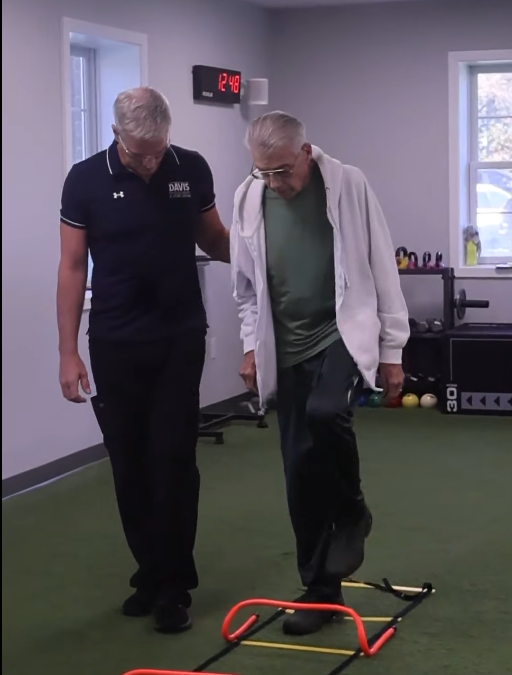
Arthritis does more than cause joint pain. It can quietly affect how you move, walk, and stay balanced throughout the day. Many people dealing with arthritis begin to notice they feel unsteady, slower, or less confident on their feet. These changes are not random. They are directly connected to how arthritis impacts your body.
If you are experiencing arthritis and balance problems, understanding why this happens can help you take the right steps toward improving your stability and reducing your risk of falling.
Why Arthritis Affects Balance
Your balance depends on several systems working together at the same time. Your joints, muscles, vision, and inner ear all play a role in keeping you steady. When arthritis affects your joints, it disrupts this coordination.
Pain, stiffness, and inflammation make it harder for your body to respond quickly to movement. Over time, this leads to slower reactions and less control when you shift your weight or change direction. As a result, even simple activities like walking across a room or turning around can feel more challenging.
How Pain and Stiffness Change the Way You Move
Pain is one of the main reasons people with arthritis develop balance issues. When a joint hurts, your body naturally adjusts to avoid discomfort. This often leads to uneven movement patterns that throw off your balance. Stiffness also plays a major role. When your joints cannot move freely, your body loses the ability to make quick adjustments. This makes it harder to catch yourself if you trip or feel unsteady.
You may start to notice changes like:
- Taking shorter or slower steps when walking
- Leaning more on one side of your body
- Struggling to stand up smoothly from a chair
- Feeling unsteady when turning or pivoting
These small changes may not seem serious at first, but they can increase your fall risk over time.
The Link Between Arthritis and Walking Problems
Walking, also known as gait, is closely connected to balance. Arthritis often changes how you walk, even if you do not realize it at first.Instead of a smooth and natural stride, your walking pattern may become slower and less stable.
You might take wider steps or rely more heavily on one leg. These adjustments may reduce pain, but they also create imbalance. When your gait becomes less efficient, your body has to work harder to stay upright. This extra effort can lead to fatigue, which further increases your risk of losing balance.
Muscle Weakness Makes Stability Harder
Arthritis does not only affect your joints. It also impacts the muscles that support them. When movement becomes painful, people often become less active. Over time, this leads to muscle weakness. Weak muscles cannot properly support your joints or control your movements. This makes it harder to stay steady, especially when reacting to sudden changes.
Muscle weakness can lead to:
- Reduced ability to stabilize your body
- Slower reaction time when you lose balance
- Difficulty maintaining proper posture
- Increased strain on already painful joints
This combination makes everyday movements feel less secure.
Why Arthritis Increases Fall Risk
Falls are rarely caused by just one factor. With arthritis, multiple challenges come together at once, increasing your risk.
Common contributors to falls include:
- Joint pain and stiffness that limit movement
- Muscle weakness that reduces stability
- Poor balance and coordination
- Slower reaction time
- Fear of falling, which leads to less movement
Fear is especially important. When you feel unsteady, you may avoid activity. Less activity leads to more weakness and stiffness, which increases fall risk even further.
How Physical Therapy Helps Improve Balance
Physical therapy focuses on improving how your body moves as a whole. It does not just treat pain. It helps restore strength, coordination, and confidence.
A physical therapist will evaluate how your body functions during movement. This includes balance, strength, walking patterns, and joint mobility. From there, a personalized plan is created to target your specific needs.
What Physical Therapy Can Improve
A structured physical therapy program can help you regain control and reduce fall risk by improving several important areas.
These include:
- Strength in your legs and core to support your body
- Joint mobility to allow smoother movement
- Balance and coordination for better stability
- Walking mechanics to improve efficiency
- Confidence in everyday activities
As your body becomes stronger and more coordinated, your risk of falling decreases.
Simple Changes That Can Improve Stability
Improving your balance does not require drastic changes. Small, consistent actions can make a big difference over time.
You can start by:
- Staying active with guided exercises
- Wearing supportive and stable footwear
- Practicing balance-focused movements
- Keeping your home free of clutter and hazards
The key is having the right guidance to ensure you are doing the right things safely.
How Davis PTSR Helps with Arthritis and Balance Problems
At Davis Physical Therapy & Sports Rehab, our approach starts with understanding how arthritis is affecting your movement and stability. Through our Fall Prevention Program, we identify your specific risk factors and build a plan tailored to your needs.
By combining hands-on care with advanced technology, we help improve balance, reduce fall risk, and support more confident movement in your daily routine.
Regain Your Balance and Confidence
If arthritis and balance problems are making you feel unsteady, you do not have to manage it on your own. Our team at Davis PTSR, the focus is on improving coordination, stability, and confidence so you can move more comfortably throughout your day.
Call (609) 451-5404 or click the button below to schedule your evaluation and take the first step toward better balance.
Because better balance starts with the right plan and the right team.


